Nominated for the German Jazz Award 2026
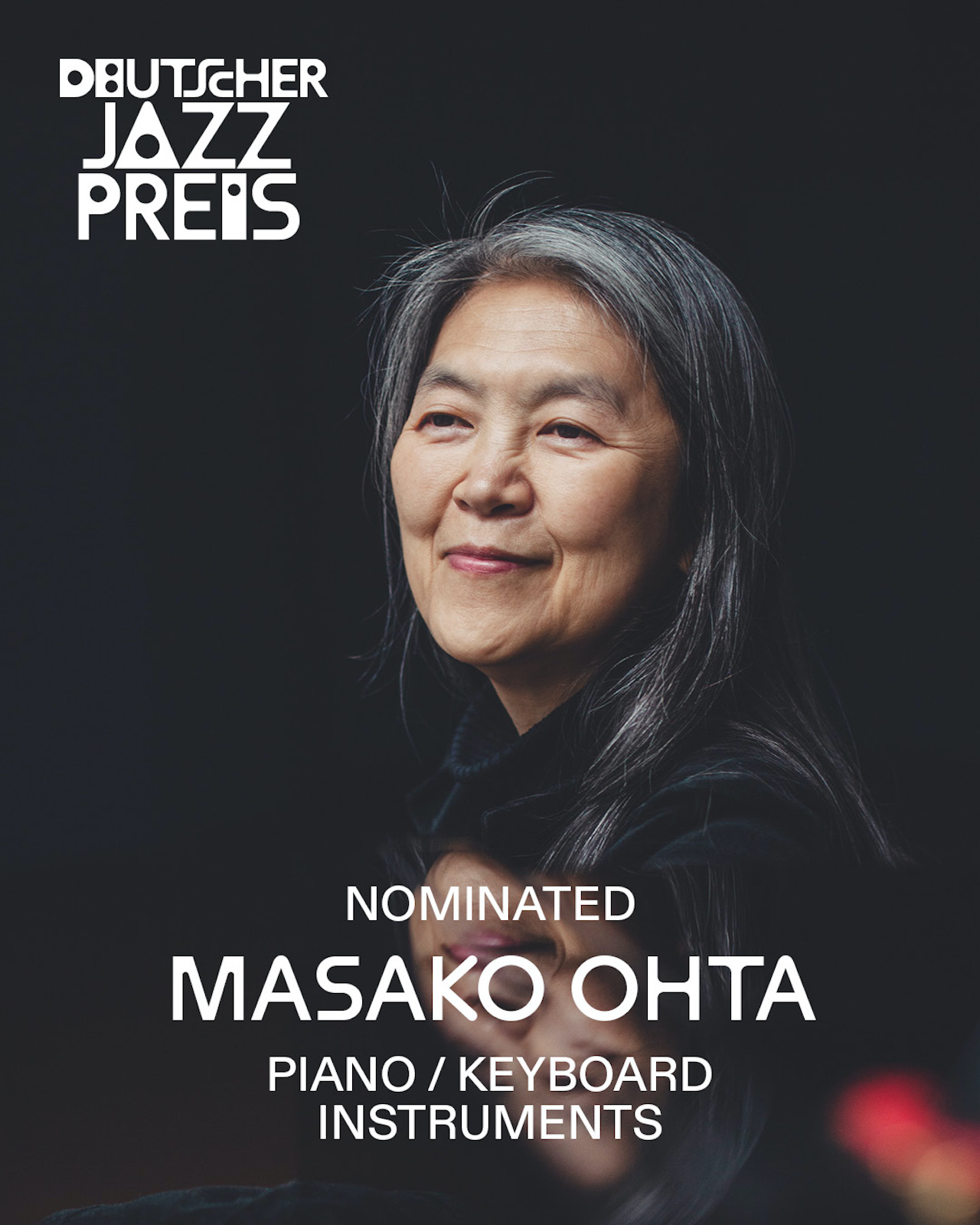
Masako Ohta – Foto © Eva Marlene Etzel
DE
„Masako Ohta ist eine Poetin des Klaviers“ (Münchner Feuilleton)
Die japanische Pianistin, Klang-Performerin und Komponistin Masako Ohta musiziert grenzenlos, interdisziplinär und international.
Sie improvisiert, interpretiert und kommuniziert gerne an Tasteninstrumenten in vielen verschiedenen künstlerischen Kollaborationen. Ihre Klavier-Solo Alben “Poetry Album” (2018), “My Japanese Heart” (2020, nominiert beim Deutschen Schallplattenpreis 2020) und „My Music Garden“ (2025) erschienen beim Label Winter & Winter. 2022 erschien das Album „Mmmmh“ zusammen mit dem Trompeter Matthias Lindermayr beim Label Squama. Das Album wurde ausgewählt unter die Top Ten der besten Jazz-Alben des Jahres 2022 bei BR-Klassik und nominiert für den Deutschen Jazzpreis 2023. Das zweite Album des Duos „Nozomi“ (2025) wurde beim Preis der Deutschen Schallplatten Kritik ausgezeichnet.
Masako Ohta ist Preisträgerin zahlreicher Musik- und Kulturpreise wie des Musik-Förderpreises der Landeshauptstadt München 2018/2019. Sie wurde nominiert für den Deutschen Jazzpreis 2026 in der Kategorie Tasteninstrumente.
Ihr klassisches Klavierstudium absolvierte sie in Tokyo und Berlin, Meisterkurse bei György Sebök, Andras Schiff und György Kurtág.
Seit 1985 lebt sie in Deutschland. In ganzheitlichem Geist verbindet sie in ihrem Unterricht Klavierspiel mit Tai-Chi und japanischer Kalligraphie, und gibt Meisterkurse und Workshops weltweit.
EN
“Masako Ohta is a poet of the piano” (Münchner Feuilleton)
The Japanese pianist, sound performer, and composer Masako Ohta creates music that transcends boundaries, embracing interdisciplinary and international collaborations.
She enjoys improvising, interpreting, and communicating at keyboard instruments in many different artistic collaborations. Her solo piano albums "Poetry Album" (2018), "My Japanese Heart" (2020), nominated for the German Record Critics' Award, and "My Music Garden" (2025) were released by the Winter & Winter label. In 2022, the album "Mmmmh", a collaboration with trumpeter Matthias Lindermayr, was released on the Squama label; it was named one of the top ten jazz albums of 2022 by BR-Klassik and nominated for the German Jazz Prize 2023. The duo’s second album, "Nozomi" (2025), received an award from the German Record Critics' Association.
Masako Ohta has won numerous music and cultural awards, including the Music Advancement Award from the City of Munich (2018/2019). She was nominated for the German Jazz Prize 2026 in the Keyboard Instruments category.
She completed her classical piano studies in Tokyo and Berlin and attended masterclasses with György Sebök, András Schiff, and György Kurtág.
She has lived in Germany since 1985. According to a holistic approach, she integrates piano playing with Tai Chi and Japanese calligraphy in her teaching and conducts masterclasses and workshops worldwide.
deutscher-jazzpreis.de/en/award-category/piano-tasteninstrumente
OUT NOW !!!
MASAKO OHTA – My Music Garden
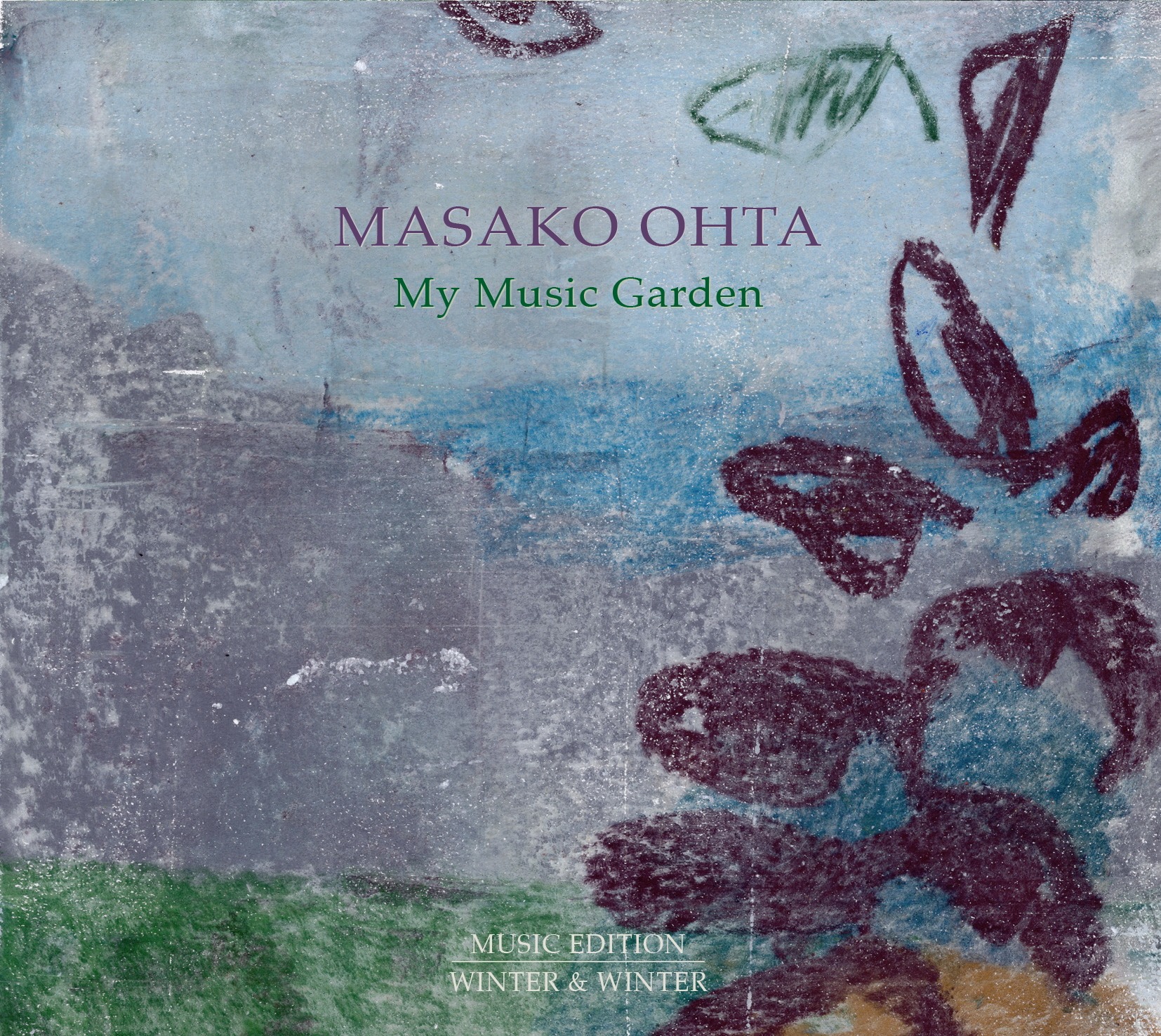
Masako Ohta – My Music Garden © Winter & Winter GmbH
DE
Masako Ohta wählte ein Haiku von Matsuo Bashō als Motto für ihren musikalischen Garten: „Für eine Weile mondhelle Nacht über Blumen.“ Ohta eröffnet mit „In a landscape“ von John Cage und leitet über zu „Clair de lune“ von Claude Debussy mit dem Intermezzo Nr. 2, A-Dur von Johannes Brahms. Das Muster B „Yabe“ aus „Patterns of Plants“ des japanischen Komponisten Mamoru Fujieda ist ebenso Teil ihrer Reise in die unendliche Natur der Klänge wie Fumio Yasudas „Rain Forrest“ und „Souvenir from Japan, Sakura for Piano“ von Toshio Hosokawa. Masako Ohta verbindet klassische Musik von Schubert, Mozart, Chopin und Zimmermann mit zeitgenössischen japanischen Klängen zu einem poetischen Werk von feinen und sensiblen Klangfarben. Mit „My Music Garten“ veröffentlicht Masako Ohta ihr drittes Klavier-Soloalbum bei Winter & Winter. Für die Aufnahmen zog sich Ohta in ein einsames Waldhaus im Bayerischen Wald zurück, fernab vom Trubel des Alltags, um sich von Stille und Natur inspirieren zu lassen. Dieses Album ist das Ergebnis ihrer intensiven Auseinandersetzung mit Poesie, Klang und Musik aus ihrer japanischen Heimat und ihrer Wahlheimat im Westen. Masako Ohta lebt in München und tritt weltweit auf, oft in Zusammenarbeit mit Schauspielern, Tänzern, Dichtern und bildenden Künstlern.
EN
Masako Ohta chooses a haiku by Matsuo Basho as the motto for her musical garden: For a while moonlit night over flowers. Ohta opens with "In a landscape" by John Cage and leads over to "Clair de lune" by Claude Debussy with the Intermezzo, Nº 2, A major by Johannes Brahms. Pattern B "Yabe" from Patterns of Plants by Japanese composer Mamoru Fujieda is just as much a part of her journey into the infinite nature of sounds as Fumio Yasuda's "Rain Forrest" and "Souvenir from Japan, Sakura for Piano" by Toshio Hosokawa. Masako Ohta combines classical music from Schubert, Mozart, Chopin and Zimmermann with contemporary Japanese sounds to create a poetic work of fine and sensitive timbres. With "My Music Garten", Masako Ohta releases her third piano solo album on Winter & Winter. For the recordings, Ohta retreated to a solitary forest house in the Bavarian Forest, far away from the hustle and bustle of everyday life, to be inspired by silence and nature. This album is the result of her intensive study of poetry, sound and music from her native Japan and her adopted home in the West. Masako Ohta lives in Munich and performs all over the world, often in collaboration with actors, dancers, poets and visual artists.
Informationen: "My Music Garden" (deutsch) bei Winter & Winter
information: "My Music Garden" (english) bei Winter & Winter